












Embroidery
A very popular technique, primarily used on thicker materials such as polo shirts, fleeces, sweatshirts, jackets, bags, or caps.
To prevent the material from puckering, a stabilizer made of interfacing is additionally used. Embroidery is best done on cut pieces, as it makes it easier to stretch the fabric over a special hoop.
Application:
- Quantity: Suitable for medium quantities (from 20 pieces).
- Type of graphics: Logos, texts, simple patterns.
- Materials: Cotton, polyester, workwear, hats.
- Durability: Very high, resistant to washing.
Advantages:
- High quality and durability.
- Ideal for logos and small, precise patterns.
- Professional appearance.
Disadvantages:
- High initial costs and time-consuming process.
- Limited ability to apply on large areas of clothing.
Computer Embroidery
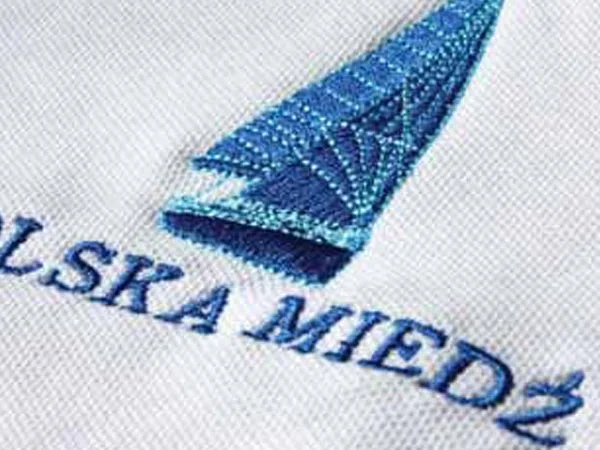
When we hear the word “embroidery,” we typically picture an elderly woman in a rocking chair, with a hoop in her hands, stitching rustic patterns. However, few realize that it is one of the most technologically advanced methods of garment marking. With embroidery machines and the software that supports them, we can quickly create complex designs in large quantities. For example, a 12-head embroidery machine can stitch 50 designs in an hour, each consisting of 5,000 stitches.
From thread to ball
The first thing we need is a design in electronic format, either in high-resolution bitmap or vector graphics, preferably a PDF file, which is universal and can be read by almost any program. This design is then loaded into the embroidery software, which calculates the number of stitches, the arrangement of individual threads, and saves it as instructions for a specific embroidery machine. It is important to note that this is not just a simple “copy-paste,” but a more sophisticated task; the final appearance of our design and the number of stitches must be adjusted according to the thickness of the material. Embroidery on fleece will have more stitches than its version on polo shirts, while the least stitches will be in embroidery on t-shirts, which can also damage the fabric. Therefore, we suggest using printing on t-shirts. After this program is prepared, the rest of the process is automated.
Advantages and disadvantages
Like any clothing marking method, embroidery has its pros and cons. Undoubtedly, the biggest advantage is its durability and elegant appearance. No print will be as resistant to mechanical damage, both in washing and everyday use. For smaller runs, it is also more cost-effective compared to methods like screen printing, which has higher setup costs, and since the price of embroidery is not dependent on the number of colors, it can also compete with DTG (Direct to Garment) printing.
However, it is not a good method for capturing fine details and complex graphic forms, as we are limited by the thickness of the threads. For example, the size of letters in a logo cannot be smaller than 4 to 6 mm. Additionally, overly large and complicated embroideries can be not only expensive to prepare but also uncomfortable. There is also a limitation regarding materials that are too delicate to embroider without damaging their structure or style.
If you don’t know what to choose
If you are unsure about what to choose or how to best label your clothing, feel free to call or write to us. We have experience in advertising as well as promotional clothing, and we will definitely help you match your design to the appropriate apparel using the best marking method.

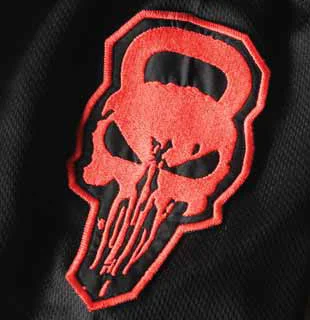
Embroidered patches
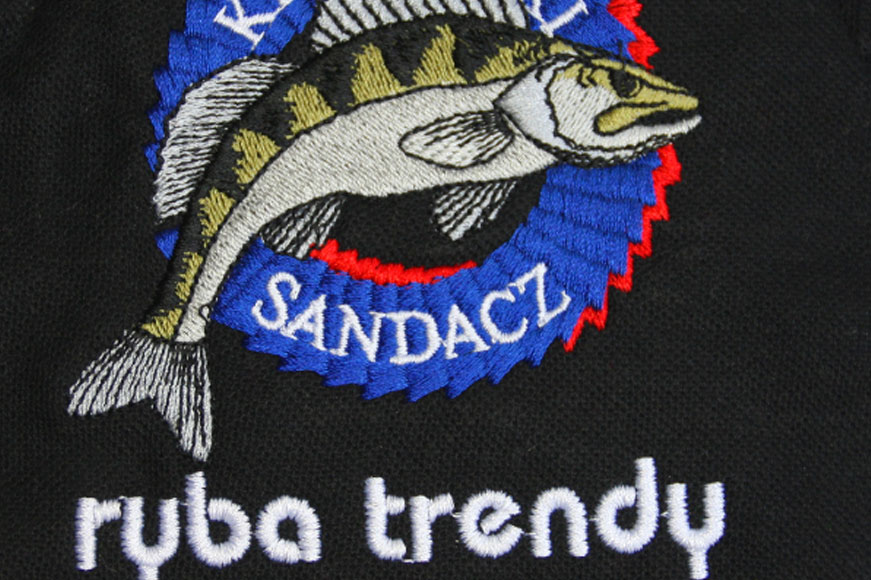
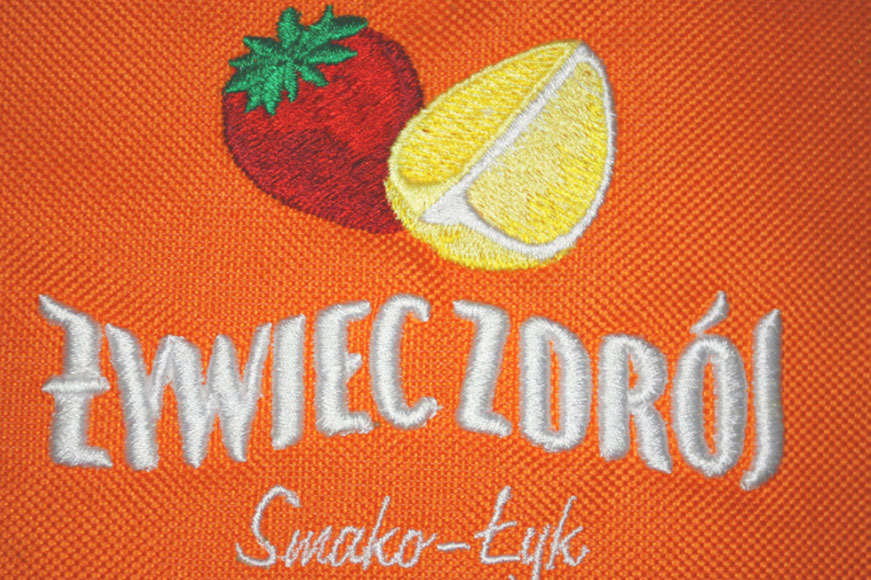
Embroidered patches allow for the application of logos in most locations that are inaccessible to other embellishment techniques.
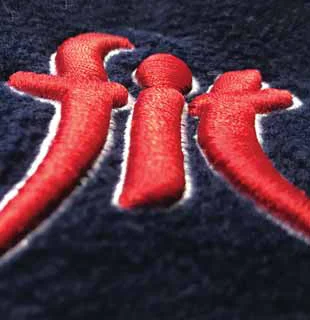
Haft 3D
3D embroidery is a more interesting and fashionable version compared to standard embroidery. It allows for stitching in multiple dimensions to enhance the appearance of the design.
See also other threads from this category
 Screen printing
Of all printing techniques, screen printing has the longest history. Experts are divided on where …
- Digital printing
Digital printing
An unlimited number of colors, photographic quality, and the ability to create tonal transitions are …
- Foils, transfer papers
Foils, transfer papers
Computer printing or screen printing is applied to paper or transfer film, which is then …
- Patches, labels
Patches, labels
An alternative to embroidered patches that allows for the creation of smaller details (woven labels) …
In our offer clothing of the Promostars group
T-shirts
T-shirtsPolo
PoloPullovers / Shirts
Pullovers / ShirtsSweats / Pants
Sweats / PantsFleece
FleeceCaps
CapsVests
VestsJackets
Jackets
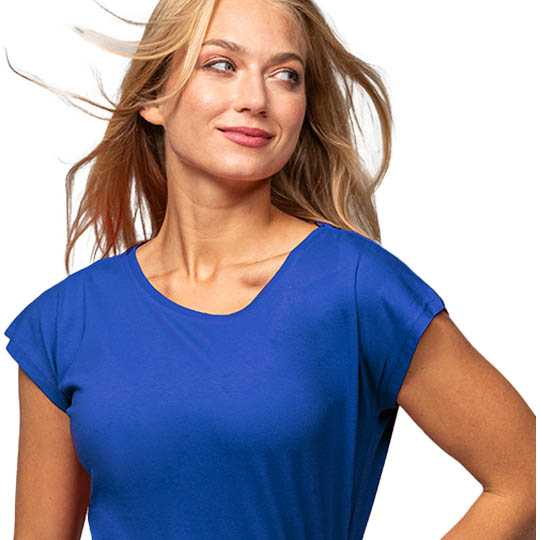
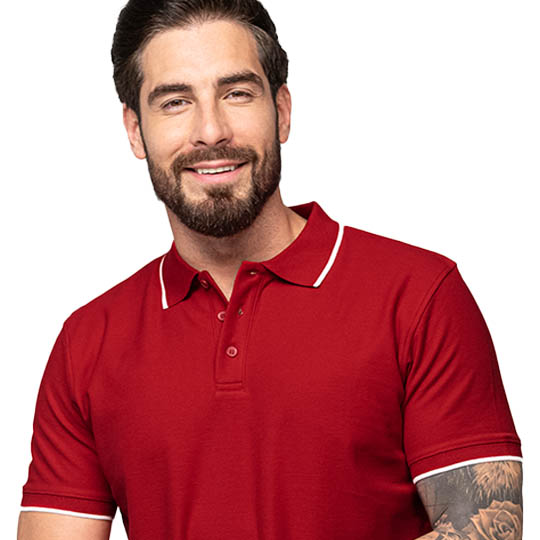
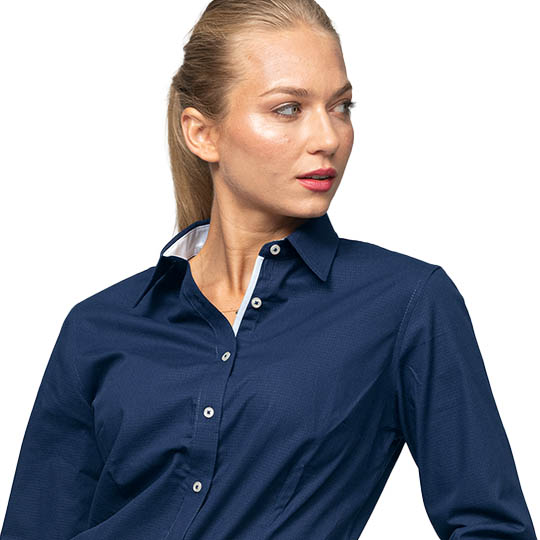
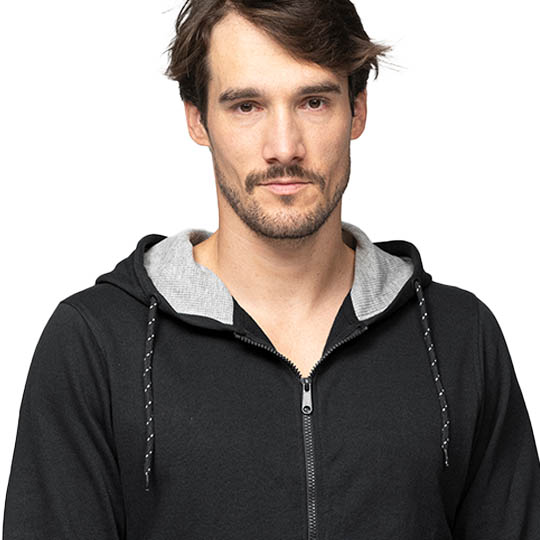
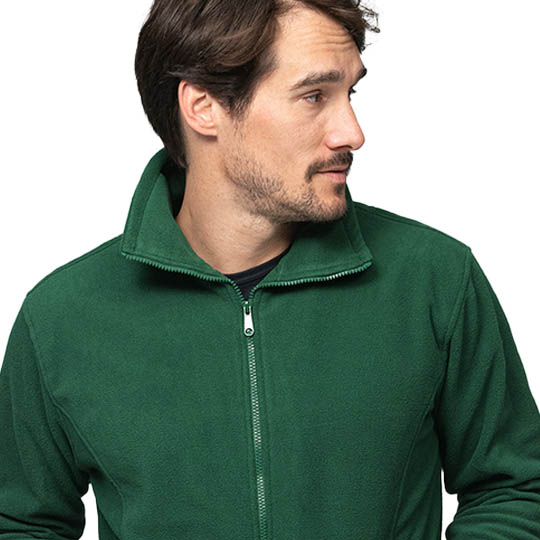
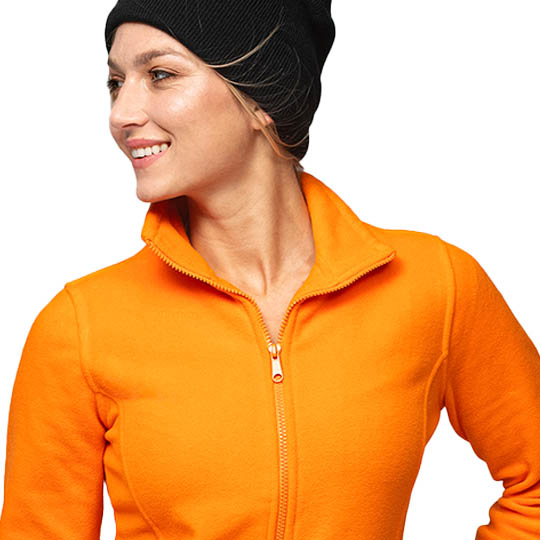
Clothing brands LPP Printable Groups
LPP Printable focuses on sustainability and adapting to customer needs. LPP Printable is a group of clothing brands that specializes in work and promotional clothing.
- Promostars
Promostars
Promostars is a brand specializing in the production of promotional and advertising clothing. The brand emphasizes quality, diversity, and product availability.
- Crimson Cut
Crimson Cut
Crimson Cut is a brand that specializes in the production of streetwear and trendy clothing, often combining modern design with classic elements.
- Mark The Helper
Mark The Helper
Mark The Helper is a clothing brand that focuses on creating functional workwear. The brand places a strong emphasis on the quality of materials.
- Geffer
Geffer
Geffer is a clothing brand that specializes in the production of modern and functional apparel, often in casual and sporty styles.
