












Digital printing DTG and DTF
An unlimited number of colors, photographic quality, and the ability to create tonal transitions are the main advantages of direct printing.
It involves printing the design on a special printer using CMYK colors plus white. It does not require the preparation of screens. This method is intended for small runs due to the relatively high cost of a single print and the low efficiency of the printer. It is an economical way to print multicolored designs for orders with many different graphics or a small quantity of items. It is especially recommended for white T-shirts.
Application:
- Quantity: Cost-effective for small and medium quantities (1–50 pieces).
- Type of graphics: Ideal for full-color graphics, photos, and images with fine details.
- Materials: Cotton, polyester.
- Durability: Medium, dependent on the quality of the clothing and inks.
Advantages:
- High-quality print, details, and gradients.
- Ability to fulfill small orders.
- Ideal for orders with multiple colors.
Disadvantages:
- High unit cost for small quantities.
- Reduced durability on dark fabrics, especially with repeated washing.
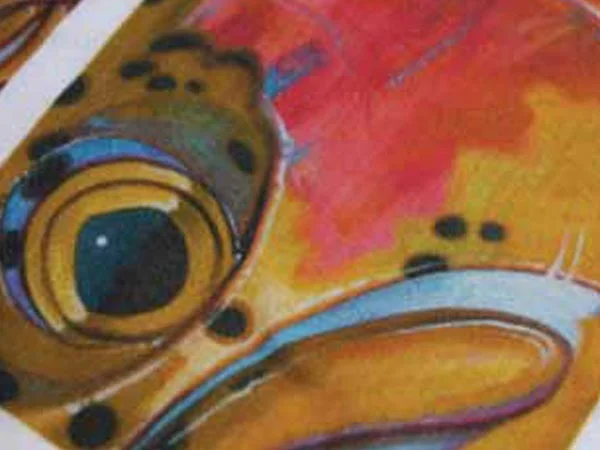
DTF – Direct To Film
In the fast-evolving world of garment decoration, DTF (Direct To Film) technology is gaining significant traction. This innovative printing method combines high-quality results, versatility, and relatively low setup costs. While it may not replace every traditional technique, in many cases, it proves to be an ideal solution — for both small businesses and large-scale print shops.
DTF printing involves transferring a design onto a special PET film using a dedicated inkjet printer with pigment-based inks. A layer of hot melt adhesive powder is then applied to the fresh print, and the film is cured using a heat press or drying oven. The ready-to-use film can later be transferred onto fabric using a heat press — typically at around 140–160°C for several seconds.
A major advantage of this method is the ability to prepare prints in advance, store them, and apply them to garments at any desired moment.
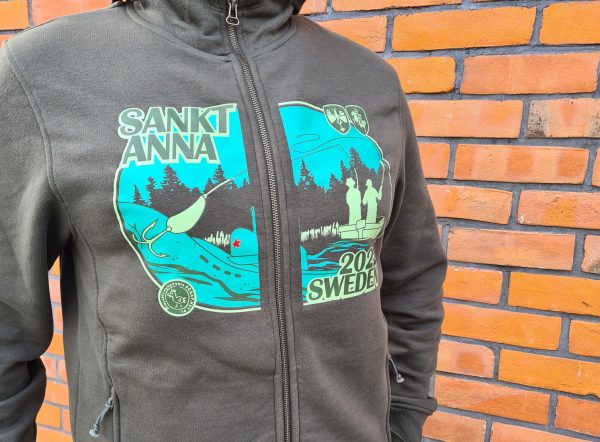
Advantages of DTF Technology
- Versatility – DTF prints can be applied to a wide range of fabrics: cotton, polyester, blends, softshell, denim, nylon — no ink changes required.
- Excellent Color Reproduction – Enables full-color designs with smooth gradients and no need for screens or plates.
- Low Minimums & Personalization – Ideal for short runs, individual names, or custom designs.
- Flexibility & Soft Feel – Prints are flexible, soft to the touch, and highly resistant to washing and cracking.
- No Cutting or Weeding – Unlike vinyl or flex films, DTF doesn’t require plotter cutting or manual weeding.
Drawbacks and Limitations
As with any method, DTF has some downsides:
- Operating Costs – Although DTF equipment is more affordable than DTG, ink and powder expenses can add up in high-volume production.
- Maintenance – DTF printers require regular maintenance (e.g., head cleaning), which may be demanding in a high-throughput environment.
- Breathability – The film layer covers the fabric surface, which may slightly reduce garment breathability for large prints.
- Risk of Adhesion Issues – Incorrect press settings (heat, time, pressure) can result in peeling or poor durability.
When to Use DTF?
DTF is an excellent choice for promotional apparel, sportswear, event clothing, personalized merchandise, and more. It’s particularly useful when you need:
- fast turnaround times,
- low-quantity orders,
- vibrant color reproduction or complex gradients.
It’s a flexible technology that can complement — or in some cases, replace — traditional printing methods like screen printing, DTG, or embroidery.
See also other threads from this category
 Screen printing
Of all printing techniques, screen printing has the longest history. Experts are divided on where …
- Foils, transfer papers
Foils, transfer papers
Computer printing or screen printing is applied to paper or transfer film, which is then …
- Patches, labels
Patches, labels
An alternative to embroidered patches that allows for the creation of smaller details (woven labels) …
- Other marking methods
Other marking methods
Laser Innovative method for decorating textiles, both cotton and polyester, such as softshells, T-shirts, or …
In our offer clothing of the Promostars group
T-shirts
T-shirtsPolo
PoloPullovers / Shirts
Pullovers / ShirtsSweats / Pants
Sweats / PantsFleece
FleeceCaps
CapsVests
VestsJackets
Jackets

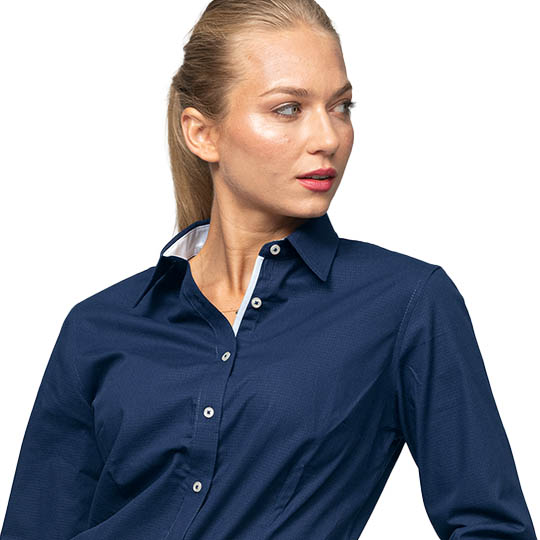
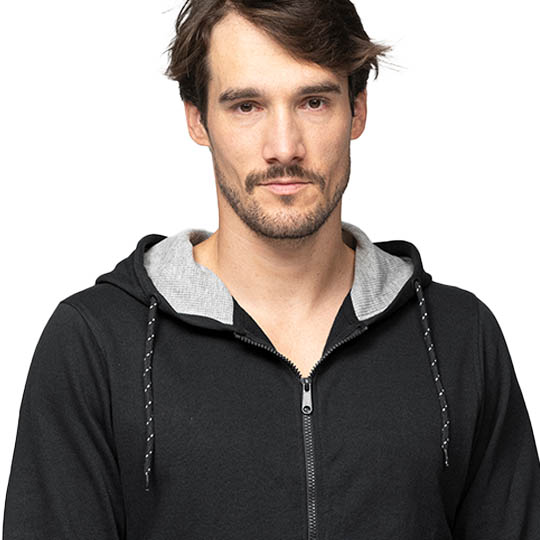
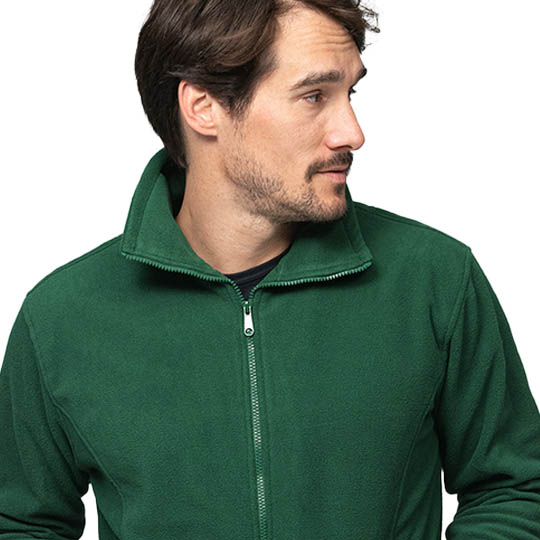
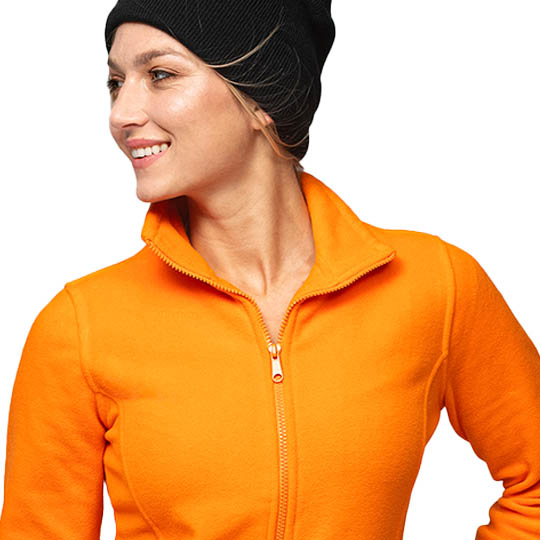
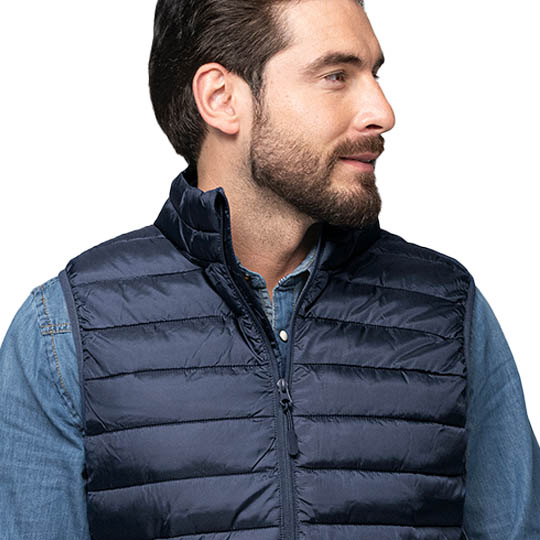
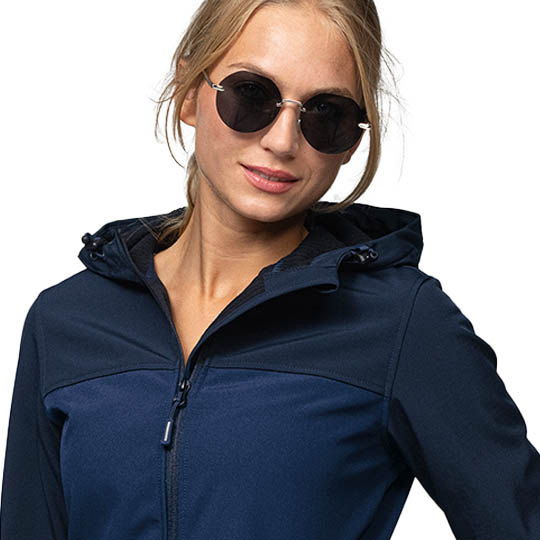
Clothing brands LPP Printable Groups
LPP Printable focuses on sustainability and adapting to customer needs. LPP Printable is a group of clothing brands that specializes in work and promotional clothing.
- Promostars
Promostars
Promostars is a brand specializing in the production of promotional and advertising clothing. The brand emphasizes quality, diversity, and product availability.
- Crimson Cut
Crimson Cut
Crimson Cut is a brand that specializes in the production of streetwear and trendy clothing, often combining modern design with classic elements.
- Mark The Helper
Mark The Helper
Mark The Helper is a clothing brand that focuses on creating functional workwear. The brand places a strong emphasis on the quality of materials.
- Geffer
Geffer
Geffer is a clothing brand that specializes in the production of modern and functional apparel, often in casual and sporty styles.
